Workshop @ RO-MAN 2026

1st Edition

Besafe - Beyond
Physical Safety in Intelligent Robots

A half-day workshop examining what "safe enough" means when robots reason, communicate, and act with increasing autonomy, bringing together robotics, AI, cognitive science, and ethics.

Conference
RO-MAN 2026
Date
August 24 or 28, 2026
(TBD)
Venue
Kitakyushu, Fukuoka, Japan
RO-MAN 2026 Kitakyushu

About the Workshop

Being present is not the same as being welcome.

Acronym: BESAFE
Format: Half-day workshop
Edition: First

Robots are no longer waiting in factories for instruction, they are stepping into our world, navigating our spaces, and learning to live among us. But even technically safe robots can feel unpredictable, opaque, or unsettling when their behavior is hard to understand.

As robots become part of everyday life, safety must be reimagined as something people experience through interaction, reasoning, and trust, rather than as engineering specifications. This shift is accelerated by advances in generative models, which enable robots to interpret context, generate responses, and adapt their behavior in dynamic scenarios.

As robots gain these capabilities, new forms of risk emerge-not only physical risks but also psychological and social ones. Systems that hallucinate, misinterpret intent, or act in ways that people cannot anticipate may compromise safety, even when no physical harm occurs.

"When are generative models beneficial, and when may they introduce unnecessary risks?" How can we preserve predictability, accountability, and human oversight as robot autonomy increases?

Invited Speakers

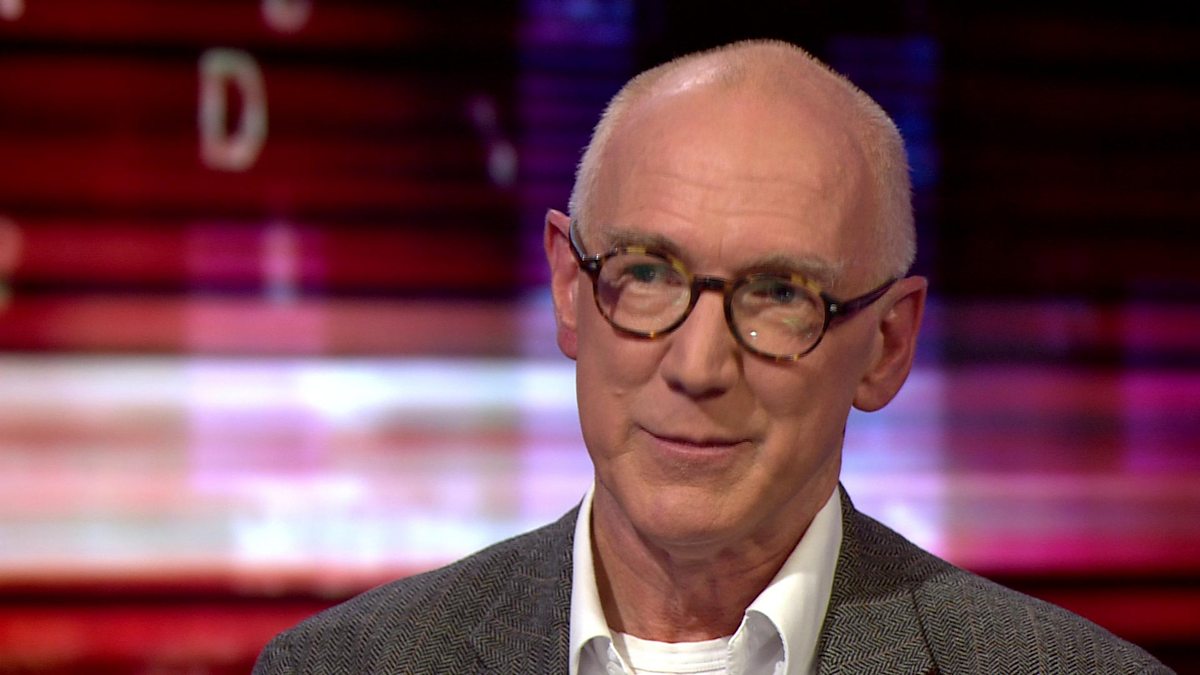
Alan Winfield

Alan Winfield

Professor of Robot Ethics · UWE Bristol, UK

Leading researcher in cognitive robotics and the ethical governance of autonomous systems. Active in IEEE and British Standards initiatives for robot and AI ethics.

Talk abstract

TBA - Alan Winfield will speak on the ethical implications of autonomous decision-making in robot systems and what meaningful safety standards might look like beyond physical harm.

Something someting

TBA

TBA

TBA

Talk abstract

TBA

Call for Papers

Important dates

Submission Deadline June 19, 2026
Notification of Acceptance July 17, 2026
Camera-ready Deadline August 5, 2026
Workshop Date Aug 24 or 28, 2026

We invite short position papers and contributions addressing challenges, emerging practices, or reflections on what constitutes appropriate and safe behavior in human-robot interaction-beyond physical collision avoidance.

Accepted contributions will be presented as short talks and posters, highlighting ongoing work, open challenges, and perspectives on safety in intelligent robotic systems.

Submission Guidelines

  • 2–4 pages in IEEE conference format
  • Position papers, work-in-progress, reflections
  • Focus on HRI safety beyond physical harm
  • Interdisciplinary perspectives welcome
Submit

Key Topics

01

Decision-making & Accountability

Autonomy, alternatives, limitations, and risks of decision-making in generative AI-driven robots.

02

LLM Regulation & Integration

Safe and responsible integration of large language models into robotic systems and deployment frameworks.

03

Evaluation Frameworks

Methodologies and benchmarks for evaluating socially safe robot behavior beyond collision avoidance.

04

Certification & Governance

Standards, certification pathways, and governance structures for AI-enabled and socially interactive robots.

05

Trust & Explainability

Human trust, interpretability, explainability, and perceived safety in interactions with autonomous robots.

06

Predictability vs. Adaptivity

Balancing consistent, predictable behavior with adaptive responses in intelligent robot systems.

07

Ethics & Societal Impact

Ethical, societal, and policy implications of deploying generative AI-driven robots in everyday environments.

08

Interdisciplinary Perspectives

Combining insights from robotics, AI, cognitive science, design, and ethics for holistic safety approaches.

09

Psychological & Social Safety

Understanding and designing for psychological safety, social comfort, and acceptable robot presence.

+

And more

Topics are indicative, not exhaustive - interdisciplinary contributions beyond this list are warmly welcome.

Workshop Program

10 min
Opening
Welcome & Opening Remarks
Introduction to BESAFE themes and workshop goals
25 min
Keynote 1
1st Invited Keynote + Q&A
20-minute talk followed by 5 minutes of discussion
80 min
Presentations
Accepted Paper Presentations & Posters
Short talks and poster presentations from workshop contributors
10 min
Break
Coffee Break
25 min
Keynote 2
2nd Invited Keynote + Q&A
20-minute talk followed by 5 minutes of discussion
60 min
Core Activity
Breakout Session: "Reimagining Safety in Intelligent Robots"
Four guided phases: Synthesizing practicesIdentifying failure modesDesigning safe interactionsTranslating to actionable prompts
20 min
Synthesis
Key Insights & Proposed Directions
Groups report back; collective synthesis of outcomes
5 min
Closing
Closing Remarks

Organisers

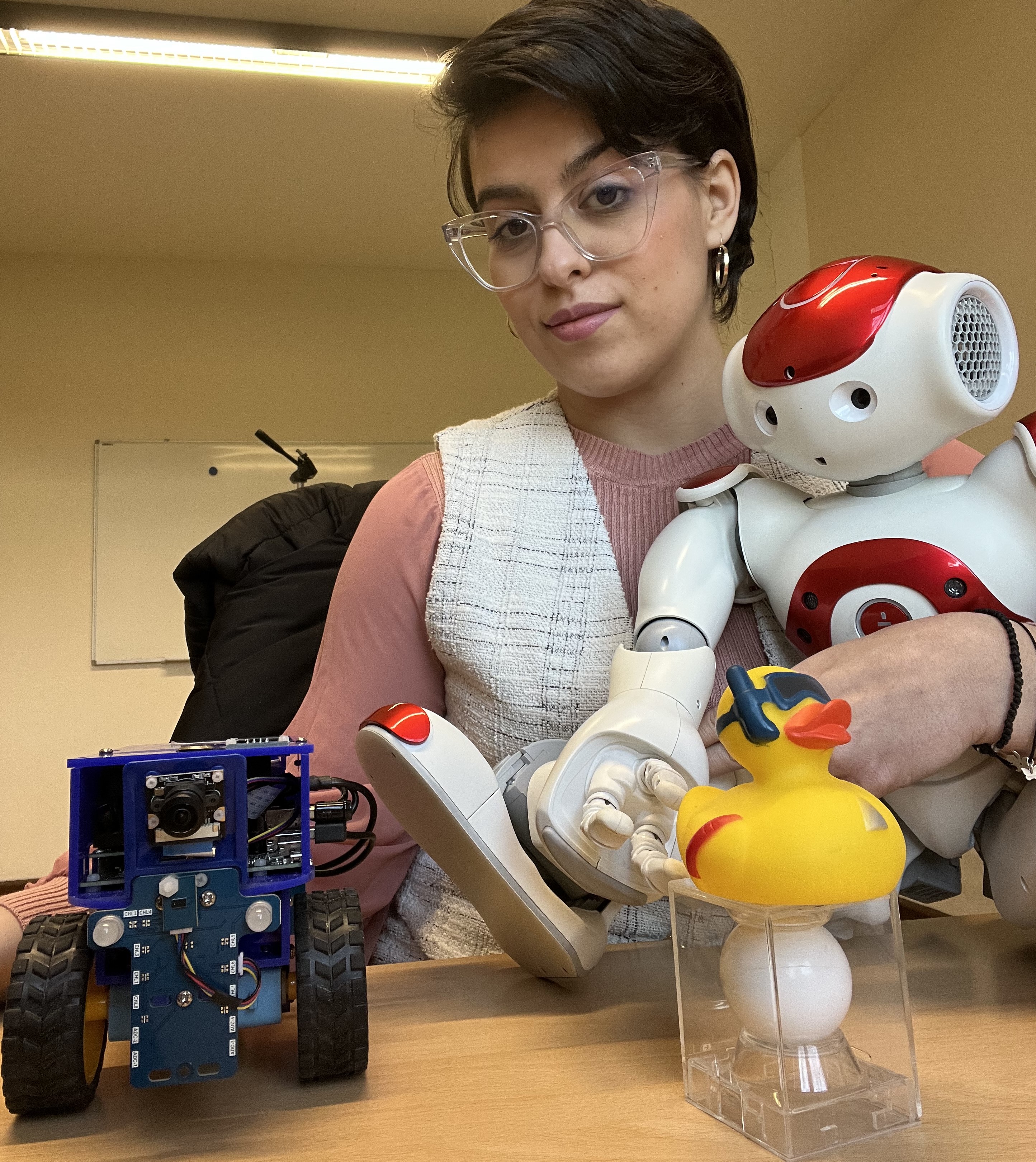
Ayesha Jena
PhD Researcher

Ayesha Jena

Lund University, Sweden

PhD student in Robotics and Semantic Systems at Lund University. Focuses on smooth, natural, and effective collaboration between humans and robots through mixed-initiative interaction and intention recognition.

Personal Page
Emilia Pietras
PhD Researcher

Emilia Pietras

University of Southern Denmark, DK

PhD student at SDU focusing on human-centered collaborative robotics, specifically human-to-robot trust, transparency, and adaptive robot behavior.

Personal Page
Kristina Nikolovska
PhD Researcher

Kristina Nikolovska

Constructor University, Bremen, DE

PhD student whose research focuses on social navigation, human–robot interaction, and how adaptive robot behavior influences perceived safety and agency.

Personal Page
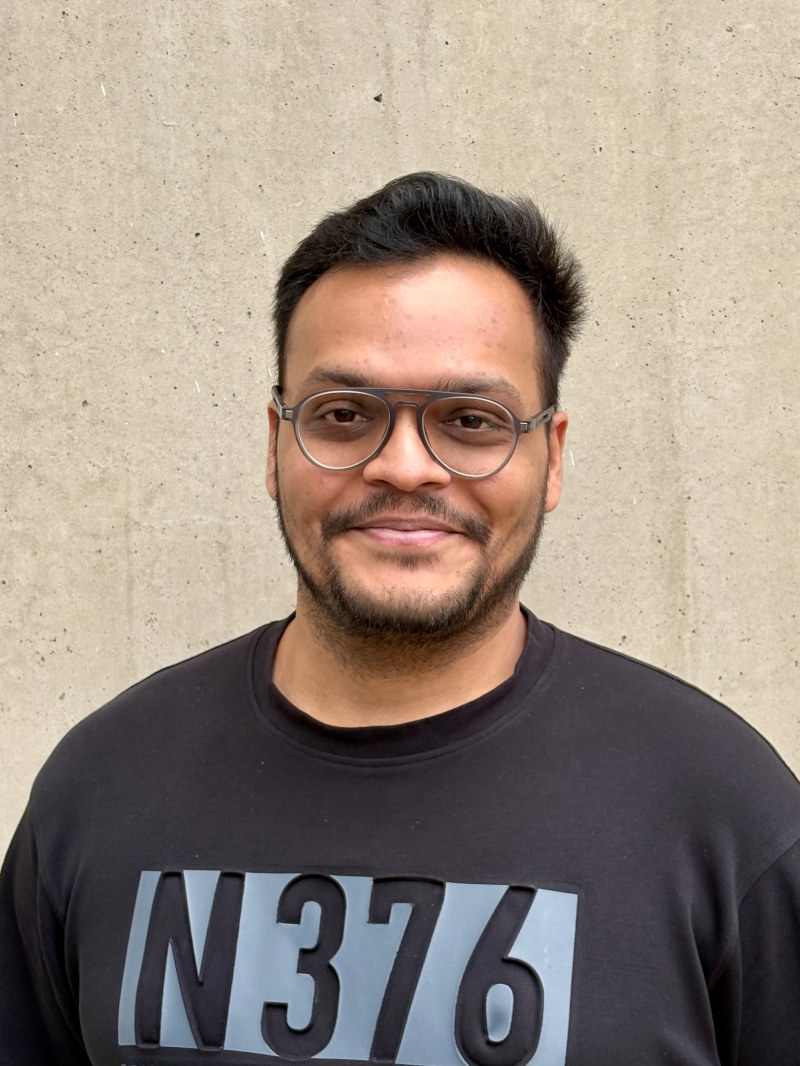
Subham Agrawal
PhD Researcher

Subham Agrawal

University of Bonn, Germany

PhD student in the Humanoid Robots Lab at Bonn. Research focuses on safe and natural navigation behavior of robots in human-centric environments.

Personal Page
Stefan Reitmann
Assistant Professor

Stefan Reitmann

TU Chemnitz

Assistant Professor for Pervasive Computing Systems. Research focuses on applied machine learning, human-robot interaction, and the development of intelligent autonomous systems for telerobotics and VR/AR.

Personal Page
Sebastian Schneider
Assistant Professor

Sebastian Schneider

University of Twente, NL

Assistant Professor in Human Media Interaction. Research focuses on developing robots to enhance health and quality of life, including social-physical interaction, personalization, and long-term engagement.

Personal Page

Steering Committee

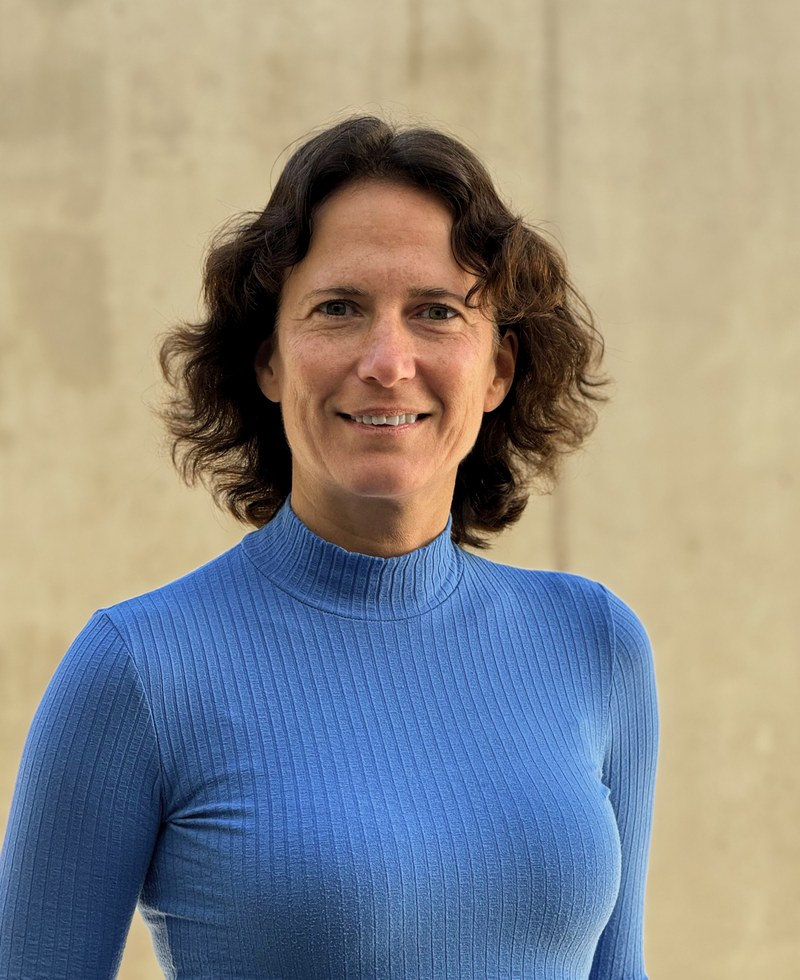
Elin Anna Topp
Elin Anna Topp
Associate Professor · Lund University, Sweden

Research focuses on AI, Cognitive Science, and Human-Robot Interaction, with an emphasis on robotic systems that communicate appropriately with human users across industrial, service, and supervisory contexts.

Maren Bennewitz
Maren Bennewitz
Professor for Humanoid Robotics · University of Bonn, Germany

Research focuses on navigation, manipulation, and active perception for legged and wheeled robots, as well as detecting humans, analyzing their motions, and generating personalized robot behavior.